


What Is Remote Temperature Monitoring and Why Is It Important for Multi-Site Operations in Australia?
Remote temperature monitoring Australia uses wireless sensors, gateways, and cloud-based platforms to track temperature and humidity conditions across multiple locations in real-time. This technology allows businesses to oversee environmental conditions at various sites from a single dashboard, eliminating the need for physical presence at each location.
The benefits of remote temperature monitoring Australia for multi-site operations are substantial. Businesses gain continuous 24/7 surveillance of critical storage areas, refrigeration units, and climate-controlled spaces without manual intervention. The system automatically generates digital records that simplify compliance audits while reducing human error in data collection.
Multi-site operations face unique challenges in maintaining consistent standards across dispersed locations. Remote monitoring addresses these obstacles by providing:
- Instant alerts when temperature deviations occur
- Centralized data management accessible from any device
- Automated compliance documentation
- Reduced labor costs from eliminated manual checks
- Prevention of costly product losses through early detection
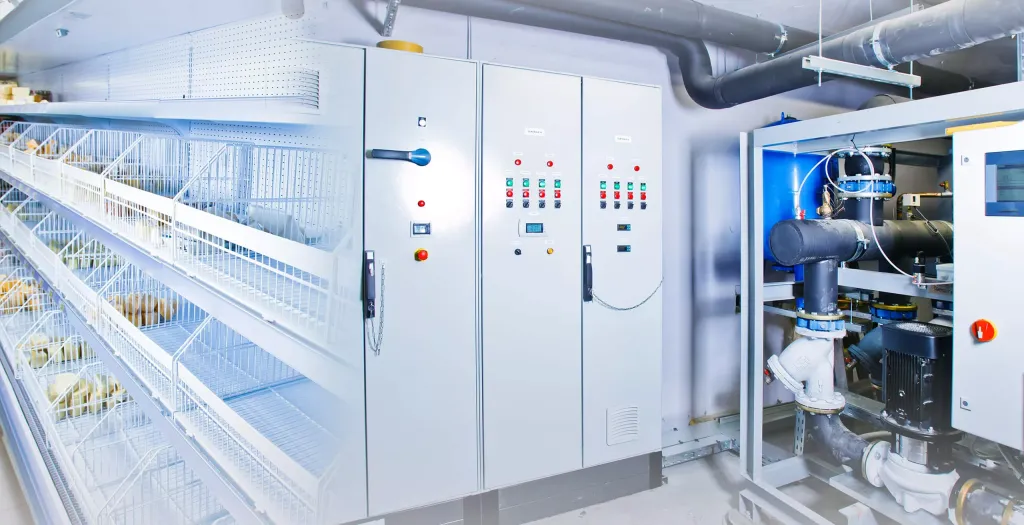
Which Industries Stand to Gain the Most from Remote Temperature Monitoring in Australia?
Food service operations, including restaurants, catering companies, and commercial kitchens, rely on precise temperature control to prevent bacterial growth and maintain product quality throughout storage and preparation. These businesses face constant pressure to meet strict food safety regulations while managing high-volume operations.
Healthcare facilities and pharmaceuticals companies must maintain temperature-sensitive medications, vaccines, and biological samples within narrow ranges. A single temperature deviation can compromise entire inventories worth thousands of dollars and potentially endanger patient safety.
Hospitality venues, aged care facilities, and child care centers share similar vulnerabilities around food storage and preparation for vulnerable populations. These sectors face heightened scrutiny during health inspections, where temperature records serve as critical evidence of compliance. Aged care and child care environments present additional complexity, as they serve individuals with compromised immune systems who are particularly susceptible to foodborne illnesses caused by improper temperature management.
How Does Remote Temperature Monitoring Enhance Food Safety and Compliance Standards?
Automated temperature tracking systems maintain food safety by continuously monitoring storage conditions and immediately detecting deviations that could lead to bacterial growth or spoilage. The technology creates an unbroken chain of temperature documentation, eliminating the gaps that occur with manual logging methods where staff might miss checks during busy periods or overnight shifts.
Digital recordkeeping transforms compliance management by generating tamper-proof audit trails that demonstrate adherence to HACCP protocols and Australian food safety regulations. When health inspectors arrive, managers can instantly pull comprehensive temperature histories spanning weeks or months, showing precise readings at every monitoring point across their facilities.
The systems automatically timestamp each reading and flag any excursions beyond safe thresholds, creating evidence that businesses actively monitor and respond to temperature risks. This documentation proves invaluable during regulatory audits, reducing the administrative burden on staff who would otherwise spend hours compiling paper logs while simultaneously strengthening the business’s defense against potential violations or liability claims related to foodborne illness incidents.
How Do Real-Time Alerts Enhance Incident Response Capabilities for Multi-Site Businesses?
Real-time alerts revolutionize incident response by providing immediate notifications whenever temperature anomalies occur. Remote temperature monitoring systems send alerts through various channels—SMS messages directly reach facility managers on their mobile devices, email notifications offer comprehensive incident reports, and in-app alerts guarantee instant visibility among management teams.
The promptness of these notifications has a direct effect on preventing losses. When a refrigeration unit malfunctions at 2 AM in a Sydney restaurant, managers receive alerts within seconds instead of discovering spoiled inventory during morning inspections. This instant awareness allows for quick corrective measures:
- Troubleshooting equipment before products reach unsafe temperatures
- Transferring stock to backup units to avoid complete inventory loss
- Logging maintenance calls automatically to minimize downtime
- Documenting the precise timeline for compliance records
For multi-site operations extending from Melbourne to Brisbane, centralized alert systems enable regional managers to coordinate responses across multiple locations simultaneously. A pharmaceutical distributor overseeing vaccine storage across ten facilities can prioritize responses based on the severity of alerts, sending technicians to critical sites first while remotely adjusting settings at locations experiencing minor fluctuations.
How Does Centralized Management Benefit Multi-Site Operators Using Remote Temperature Monitoring Solutions?
Centralized management transforms how businesses oversee temperature-sensitive operations by consolidating data from all locations into a single, unified dashboard. Multi-site operators gain instant visibility across their entire network without physically visiting each facility.
The platform eliminates the complexity of juggling separate systems for different sites. Managers access comprehensive temperature data, compliance records, and equipment status reports from one interface, streamlining decision-making processes and reducing administrative overhead.
Multi-site monitoring becomes remarkably flexible through device-agnostic accessibility. Operators check temperature readings and review alerts from:
- Desktop computers in head offices
- Tablets during site inspections
- Smartphones while traveling between locations
- Any internet-connected device with secure login credentials
This accessibility proves invaluable during after-hours emergencies or when managers need to verify conditions remotely. Regional supervisors can monitor multiple facilities simultaneously, identifying patterns or issues that might indicate systemic problems requiring attention. The centralized approach also simplifies staff training, as employees across all locations learn a single system rather than different monitoring tools.
What Operational Efficiencies and Cost Savings Can Be Achieved Through Automation with Remote Temperature Monitoring Systems?
Automated temperature monitoring eliminates the need for staff to manually record temperatures multiple times daily, directly reducing labor hours and associated payroll expenses. A typical multi-site operation might save 2-3 hours per location daily, translating to significant operational efficiency gains across dozens of sites.
Cost savings extend beyond labor reduction:
- Reduced stock loss: Automated systems detect temperature deviations within minutes, preventing entire refrigeration units from spoiling. A single prevented cold room failure can save $10,000-$50,000 in lost inventory
- Energy optimization: Continuous monitoring identifies inefficient equipment consuming excess power, allowing targeted maintenance before costs escalate. This is particularly relevant in sectors like healthcare where balancing energy efficiency with patient care is crucial. Moreover, the principles of energy optimization can also be applied to other industries such as telecommunications, where it’s becoming an essential strategy for cost management as highlighted in McKinsey’s insights on the subject.
- Insurance benefits: Many insurers offer premium reductions for businesses with documented automated monitoring systems
The financial impact compounds across multiple locations. A chain with 20 sites typically recovers their system investment within 6-12 months through combined labor savings, prevented spoilage, and reduced compliance penalties.
How Is Data Security Ensured Within Remote Temperature Monitoring Systems?
Data security is crucial for remote temperature monitoring systems, especially when dealing with sensitive operational information across multiple sites. Here’s how data security is ensured:
1. End-to-End Encryption
Modern platforms use end-to-end encryption to safeguard temperature records, audit logs, and compliance documentation from unauthorized access or cyber threats. This encryption is applied in two key stages:
- During data transmission: When data is sent from sensors to cloud servers, it is encrypted to prevent interception by malicious actors.
- While stored in databases: Even when the data is at rest in cloud storage, it remains encrypted to protect against unauthorized access.
2. Secure Data Storage Practices
Secure data storage practices are essential for meeting compliance requirements during regulatory audits. Australian businesses operating under food safety standards, pharmaceutical regulations, or healthcare protocols must prove that their temperature records cannot be tampered with and have accurate timestamps.
Cloud-based systems that follow ISO-certified security protocols offer verifiable chains of custody for all recorded data. This means that every time the data is accessed or modified, there is a clear record of who did it and when, eliminating concerns about manual record manipulation or loss.
3. Automated Backup Systems
The benefits of Remote Temperature Monitoring Australia for Multi-Site Operations include risk reduction through automated backup systems. Redundant storage across servers located in different geographical areas ensures that data remains available even if there are local system failures.
4. Role-Based Access Controls
Role-based access controls are implemented to restrict who can view or modify sensitive information across various locations. This means that only authorized individuals with specific roles have permission to access certain data, reducing the risk of unauthorized exposure or tampering.
By implementing these measures, remote temperature monitoring systems ensure the security and integrity of sensitive operational information while also meeting compliance requirements.
Incorporating advanced cloud storage security measures such as encryption and access control further enhances the overall data security framework of these monitoring systems.
What Customization Options Are Available for Users Seeking Tailored Solutions with Remote Temperature Monitoring Technology?
Remote temperature monitoring systems offer a wide range of customization options to meet various operational needs. Vendors design their platforms to fit the specific workflows and compliance requirements of different multi-site businesses.
1. Custom Checklists
Operators can create industry-specific monitoring protocols using custom checklists. For example:
- A pharmaceutical distributor may have different temperature thresholds compared to a restaurant chain.
- Aged care facilities can establish medication storage parameters that align with their regulatory obligations.
2. Reporting Formats
Businesses have the flexibility to personalize reporting formats according to their internal documentation standards or external audit requirements. This includes:
- Selecting which data points are included in automated reports.
- Adjusting reporting frequencies.
- Determining recipient lists for scheduled summaries.
3. Alert Parameters
Users have granular control over notification triggers through alert parameters. This involves:
- Defining temperature ranges.
- Setting escalation protocols for unresolved alerts.
- Designating different contact persons for various locations or equipment types.
4. Dashboard Layouts
Dashboard layouts can be customized with widgets that display the most relevant metrics for each user role. This ensures that site managers can focus on individual locations while regional directors can monitor overall performance across territories.
What Future Trends Are Shaping the Evolution of Remote Temperature Monitoring Technology for Multi-Site Operations?
Machine learning analytics and predictive maintenance capabilities represent the next generation of remote temperature monitoring systems. These future trends enable systems to learn from historical data patterns, automatically detecting anomalies before they escalate into critical failures.
Advanced analytics platforms now process vast amounts of temperature data to identify subtle trends that human operators might miss. The technology predicts equipment degradation by analyzing performance patterns, allowing maintenance teams to address issues proactively rather than reactively.
IoT integration continues expanding sensor network capabilities, connecting previously isolated monitoring points into comprehensive ecosystems. Enhanced dashboards featuring customizable widgets deliver actionable insights through intuitive visualizations, making complex data accessible to decision-makers across multiple sites.
Artificial intelligence algorithms optimize energy consumption by learning facility-specific temperature requirements and adjusting systems accordingly. These intelligent systems adapt to seasonal variations, occupancy patterns, and operational schedules, delivering efficiency improvements that compound across multi-site portfolios. For instance, AI-driven energy management strategies can significantly reduce costs while maintaining optimal operational conditions.
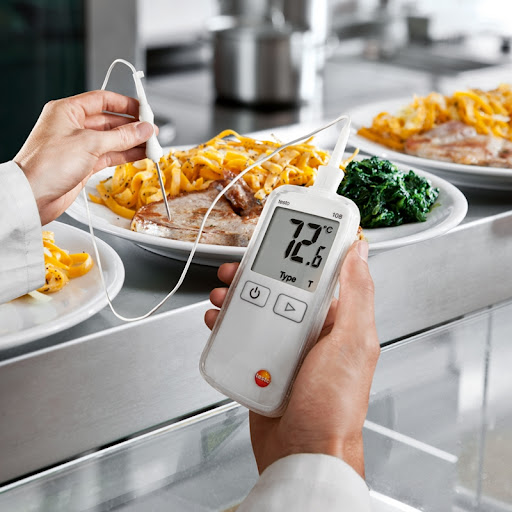
What Do Real-World Case Studies Reveal About The Impact Of Remote Temperature Monitoring On Multi-Site Businesses In Australia?
Case studies demonstrate measurable improvements across diverse sectors. Australian catering chains reduced spoilage costs by 40% after implementing automated alerts that caught refrigeration failures before stock losses occurred.
Pharmaceutical storage facilities eliminated compliance fines entirely through continuous digital recordkeeping, with one operator saving $85,000 annually in potential penalties. Berry farms in Queensland protected temperature-sensitive crops worth millions by receiving instant notifications during transport, reducing rejection rates at distribution centers by 65%.
Hospitality groups managing multiple venues streamlined operations by monitoring 20+ sites from a single dashboard, cutting manual checking time by 30 hours weekly. Aged care facilities improved resident safety while reducing staff workload, with one network documenting zero medication storage incidents over 18 months.
These practical examples highlight The Benefits of Remote Temperature Monitoring Australia for Multi-Site Operations: quantifiable cost savings, enhanced compliance, reduced labor demands, and protected product integrity across geographically dispersed locations.
Click here: Boost Audit Readiness with Cloud-Based Food Safety Audit Software