

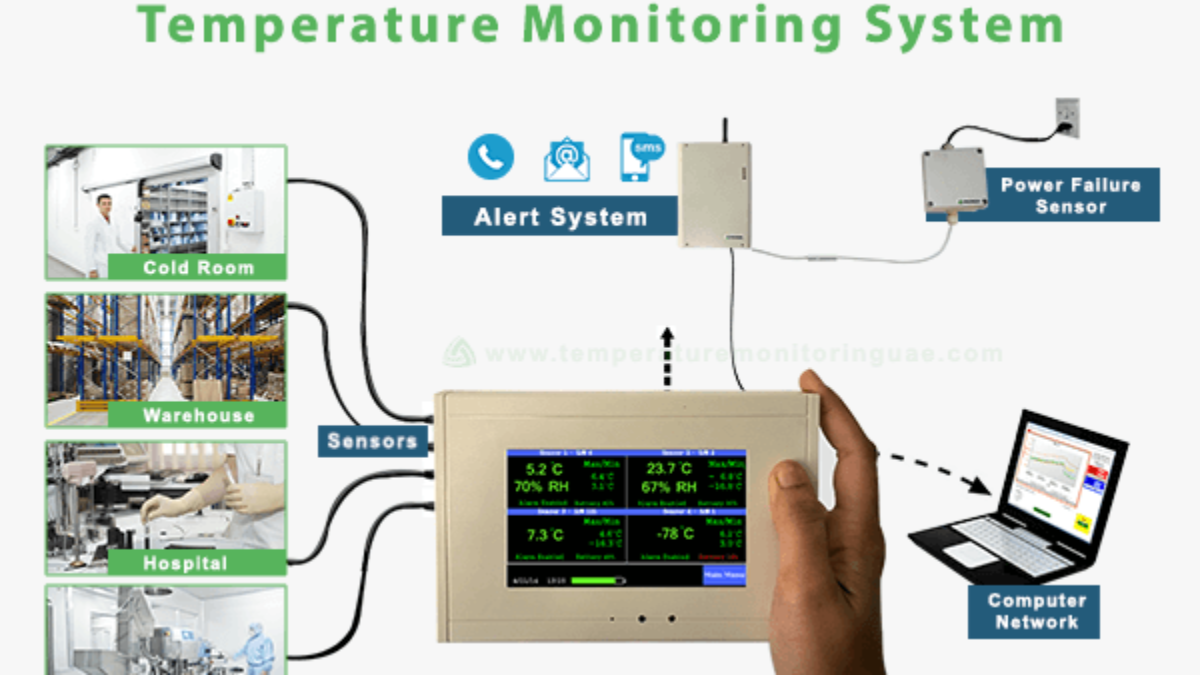
When they cannot see what is happening right now across suppliers, production lines, warehouses, and trucks, issues stay hidden until they become recalls, fines, or brand damage. Real-time visibility closes that gap by turning scattered signals into action while there is still time to fix them.
What does “real-time visibility” actually mean in food operations?
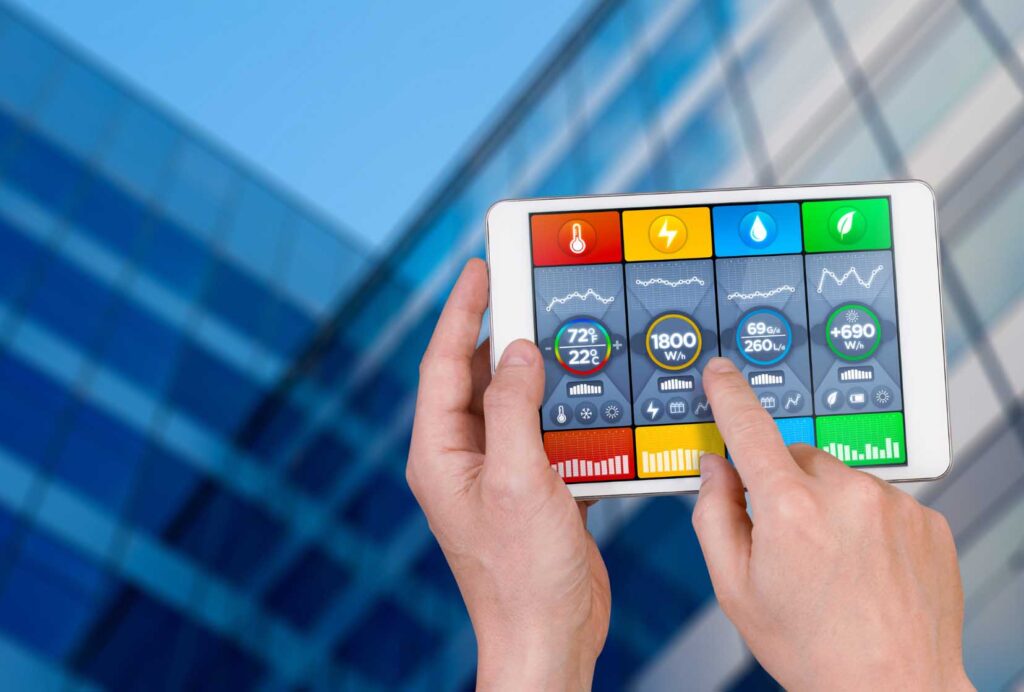
Real-time visibility means they can monitor critical food safety and compliance signals as they happen, not hours or days later. That typically includes temperature, humidity, location, dwell time, sanitation checks, allergen controls, and lot or batch movement.
It is not just a dashboard. It is the ability to trace, verify, and respond immediately, with time-stamped proof that controls were followed.
Why does compliance break down without real-time insight?
Compliance breaks when information arrives too late to prevent a deviation. A paper log filled in at the end of a shift can look perfect while a cooler was warm for two hours.
Delayed visibility also encourages “after-the-fact” corrections. When they find out later, the only options left are product holds, scrapping inventory, and writing incident reports instead of preventing the incident.
How does real-time visibility reduce food safety risk?
It reduces risk by catching small deviations before they become unsafe product. If a refrigerated truck drifts out of range, an alert can prompt a driver check, a reefer adjustment, or a reroute to the nearest cold storage.
It also helps them validate preventive controls. When data shows conditions stayed within limits and corrective actions were timely, they can defend decisions during audits and investigations with stronger evidence.
What role does traceability play in real-time compliance?
Traceability becomes far more useful when it is current. Knowing where a lot was yesterday is helpful, but knowing where it is right now determines whether they can stop it from reaching customers.
With real-time lot tracking, they can target holds and withdrawals precisely. That reduces the scope of recalls, limits disposal costs, and avoids pulling unaffected product just to be safe.
Which food safety areas benefit most from real-time monitoring?
Cold chain control is the obvious one, because time and temperature are unforgiving. Allergen management also benefits when they can verify sanitation completion, changeover steps, and ingredient usage in the moment.
High-risk areas like ready-to-eat processing, receiving, and rework handling improve when they can link checks to actual time, line, operator, and batch. The result is fewer blind spots between “what should happen” and “what did happen.”
How does real-time visibility improve audit readiness?
Audits go smoother when they can produce clean, time-stamped records quickly. Instead of chasing clipboards or reconstructing events, they can show monitored limits, deviations, corrective actions, and verification steps in one chain.
It also helps them spot gaps before auditors do. When trends show recurring late checks or frequent temperature excursions in a specific zone, they can address root causes proactively.
What are the practical business benefits beyond safety?
They tend to see less waste, fewer chargebacks, and fewer emergency holds. When conditions are stable and visible, inventory can move faster because teams trust the data.
Real-time systems also reduce labor spent on manual logging and reconciliation. That time often shifts toward prevention, training, and process improvement, which usually pays back more than clerical compliance work.
What should they look for when implementing real-time visibility?
They should start with the risks that matter most, then pick signals that directly indicate control, such as continuous temperature in critical assets and time-stamped sanitation verification. Over-instrumentation can create noise and alert fatigue.
They also need clear ownership for alerts, escalation rules, and corrective action workflows. Visibility without response is just surveillance, so the system should make it easy for teams to act and document what they did.
How can they get started without overwhelming teams?
They can pilot one lane, one facility zone, or one product category where risk and cost are high. A focused rollout helps them tune alert thresholds, refine SOPs, and prove value with measurable outcomes like fewer excursions or faster holds.
From there, they can scale based on what the pilot reveals. The best programs expand because operations teams ask for it, not because leadership mandates another tool.
Why does real-time visibility matter more now than ever?
Supply chains are more distributed, customer expectations are higher, and regulators expect stronger proof. When problems spread across suppliers and logistics partners, lagging data creates expensive uncertainty.
Real-time visibility helps them replace uncertainty with timely action. In food safety and compliance, that speed is often the difference between a contained deviation and a public incident.
FAQs (Frequently Asked Questions)
What is real-time visibility in food safety and compliance operations?
Real-time visibility in food safety means monitoring critical signals like temperature, humidity, location, sanitation checks, allergen controls, and batch movement as they happen. It enables immediate tracing, verification, and response with time-stamped proof that controls were followed, rather than relying on delayed data or paperwork.
Why does food safety compliance often fail without real-time insight?
Compliance breaks down when information arrives too late to prevent deviations. Paper logs filled at shift end can mask issues like prolonged temperature abuse. Delayed visibility leads to reactive measures such as product holds or recalls instead of proactive prevention during operations.
How does real-time visibility help reduce food safety risks?
Real-time monitoring catches small deviations early—like a refrigerated truck drifting out of range—allowing immediate corrective actions such as adjusting reefer settings or rerouting shipments. It also validates preventive controls by providing strong evidence that conditions stayed within limits and corrective actions were timely during audits.
What role does traceability play in achieving real-time compliance?
Traceability is far more effective when current. Real-time lot tracking reveals the exact location of products now, enabling precise holds and withdrawals to limit recall scope, reduce disposal costs, and avoid unnecessarily pulling unaffected products from the supply chain.
Which areas of food safety benefit most from implementing real-time monitoring systems?
Cold chain control benefits greatly due to the critical nature of time and temperature. Allergen management improves with immediate verification of sanitation and ingredient usage. High-risk zones like ready-to-eat processing, receiving, and rework handling gain from linking checks directly to time, line, operator, and batch data for fewer blind spots between expected and actual practices.
How can companies start implementing real-time visibility without overwhelming their teams?
Begin with a focused pilot in one production lane, facility zone, or high-risk product category to address key risks cost-effectively. This allows tuning alert thresholds, refining standard operating procedures (SOPs), and demonstrating measurable improvements like fewer excursions or faster product holds. Successful pilots naturally lead to scaling driven by operational team demand rather than top-down mandates.
Click here for about: How a Food Safety Compliance System Reduces Audit Stress